How to Choose the Right Synthetic Turf for a Padel Court
Synthetic turf is not merely the colour and finish of a padel court. Ball response, player confidence during changes of direction, game speed and maintenance workload are all influenced by the surface system. Selection should match the facility's use profile.
1. Fibre construction and playing character
Monofilament and textured fibre systems can behave differently. Density, pile height and recovery influence sand movement and ball response. Professional training, intensive commercial use and social play may not share the same priorities.
2. Why silica sand matters
Sand of the correct specification and quantity supports fibres, improves stability and helps regulate playing speed. Uneven distribution can create faster and slower zones. Regular brushing and replenishment are as important as the initial infill.
3. Base and drainage
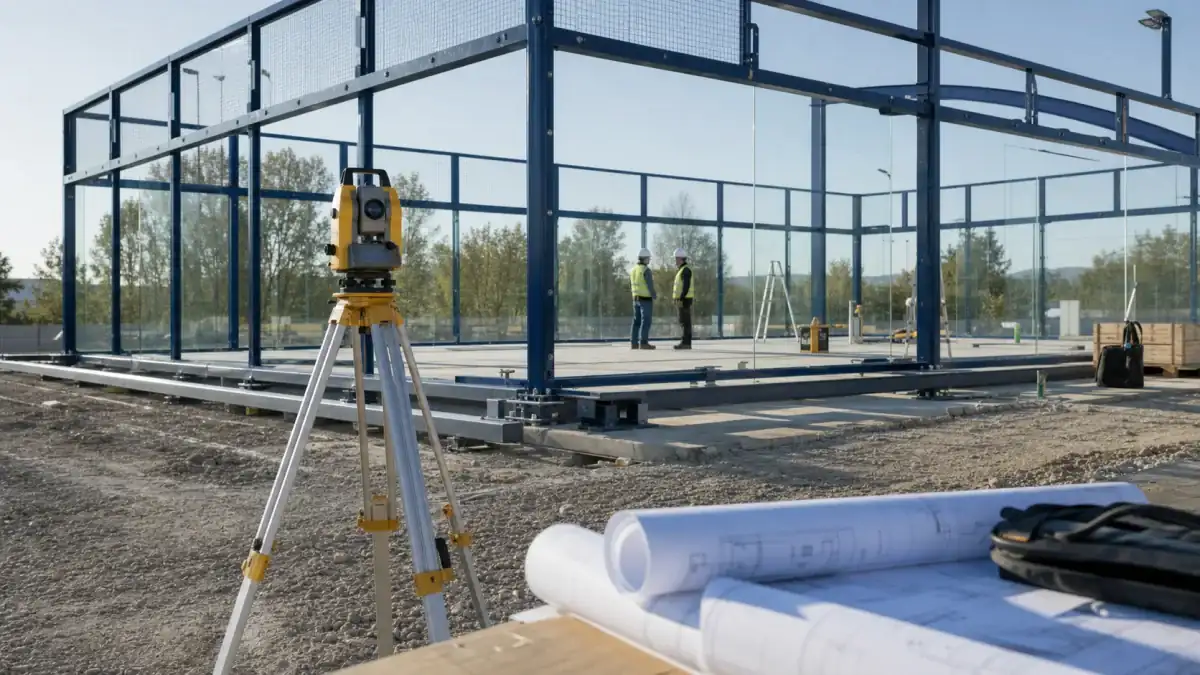
High-quality turf cannot compensate for poor falls or inadequate drainage. Base flatness, water flow and joint details should be checked before installation. Seams must carry playing loads and perimeter finishes must resist lifting.
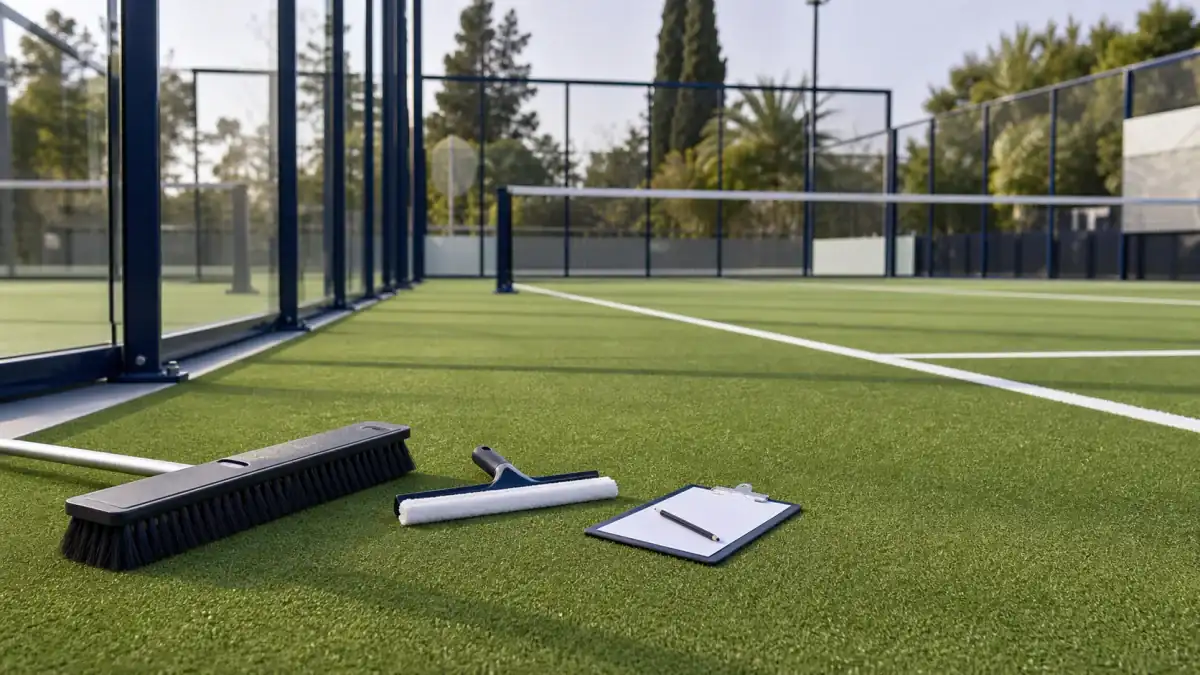
4. Maintenance routine
- Remove leaves and foreign material
- Cross-brush high-use zones
- Check sand level and distribution
- Inspect seams and playing lines
- Keep drainage outlets clear
5. Recognising renewal time
Permanently flattened fibres, inconsistent bounce, opening seams and repeated local repairs may indicate that renewal is approaching. Planned replacement is easier to manage than an unexpected closure and gradual decline in player experience.
Conclusion
The right padel turf is a system combining product, base, installation and care. Padel Court evaluates usage intensity and desired playing character, treating surface selection as part of the complete project.