Protecting Padel Courts from Corrosion in Coastal Areas
Corrosion in a coastal padel court is more than a cosmetic issue. When salt-laden moisture moves beneath a coating, it can cause section loss, seize connections and increase maintenance costs. Protection must continue from fabrication through installation and routine care.
1. Exposure is not measured by distance alone
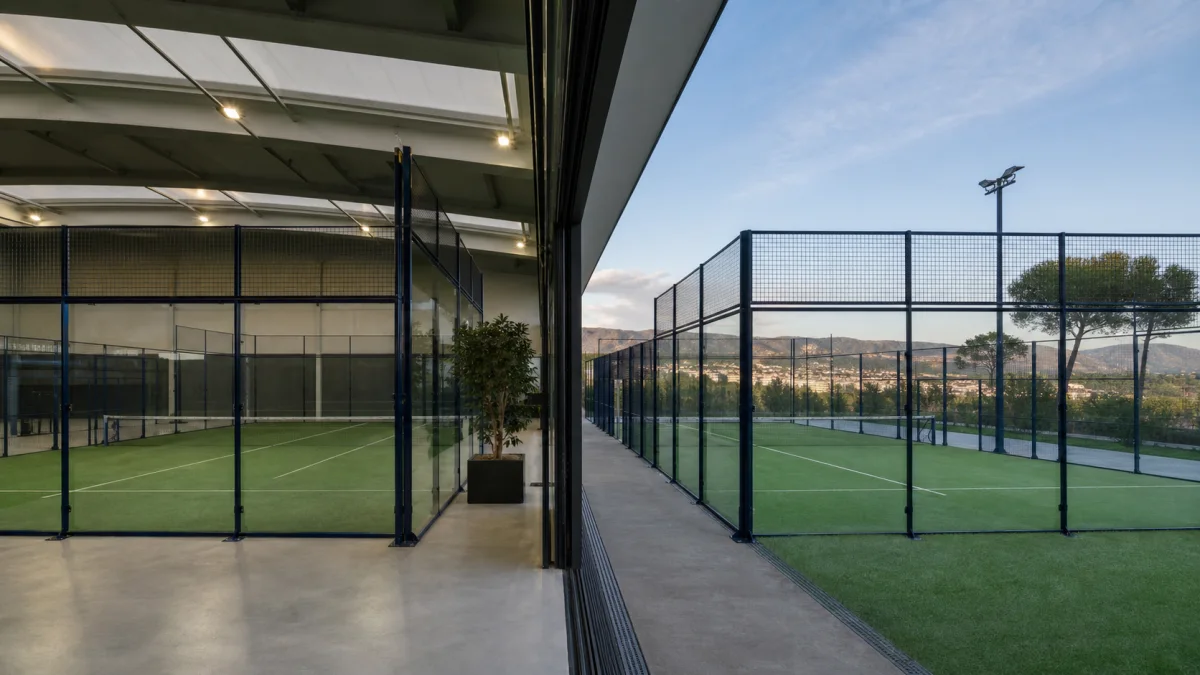
Prevailing winds, rainfall, relative humidity, industrial pollutants and the ability to wash surfaces matter alongside distance from the sea. Salt accumulation beneath a ventilated roof can sometimes persist longer than on surfaces regularly rinsed by rain.
2. How galvanizing and coating work together
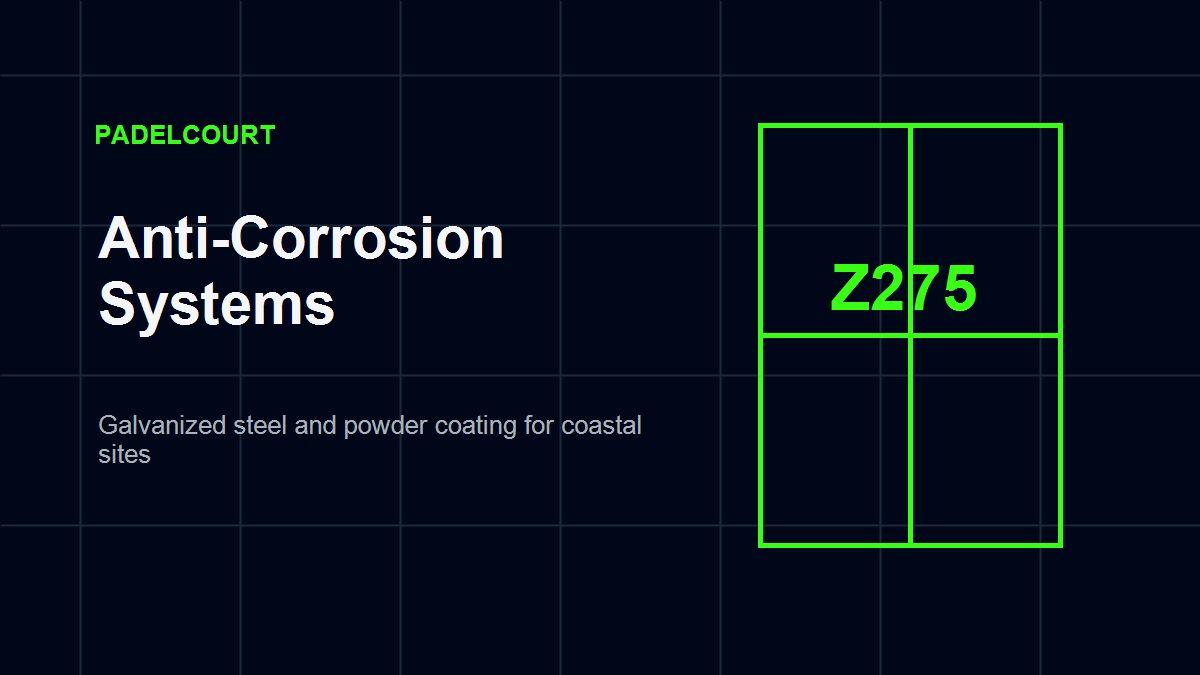
Zinc provides sacrificial protection while a suitable paint or powder-coating system limits environmental exposure. Effective protection depends on surface preparation, continuous coating thickness, drainage openings and treatment of sharp edges. A visually smooth outer face is not enough.
3. Connections are critical
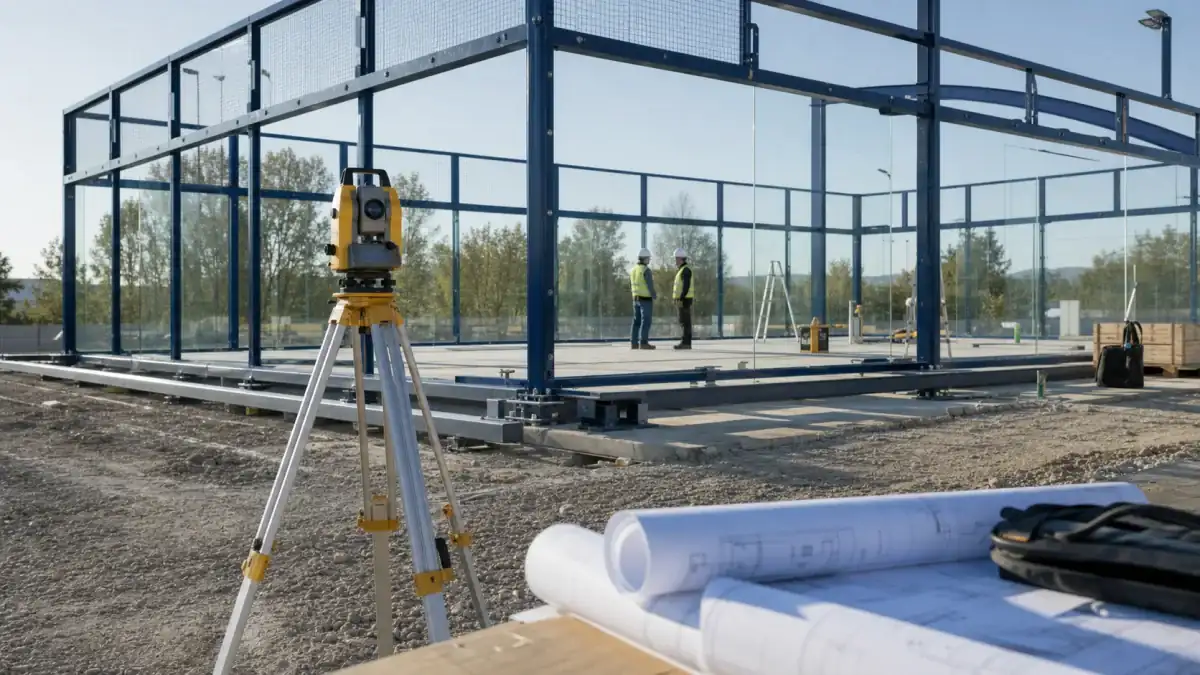
Bolts, washers, weld zones, base plates and anchors can retain water. Compatible metals should be selected, galvanic corrosion risks reduced and details designed without water traps. Holes or damage created during installation require an appropriate repair system.
4. Maintenance programme
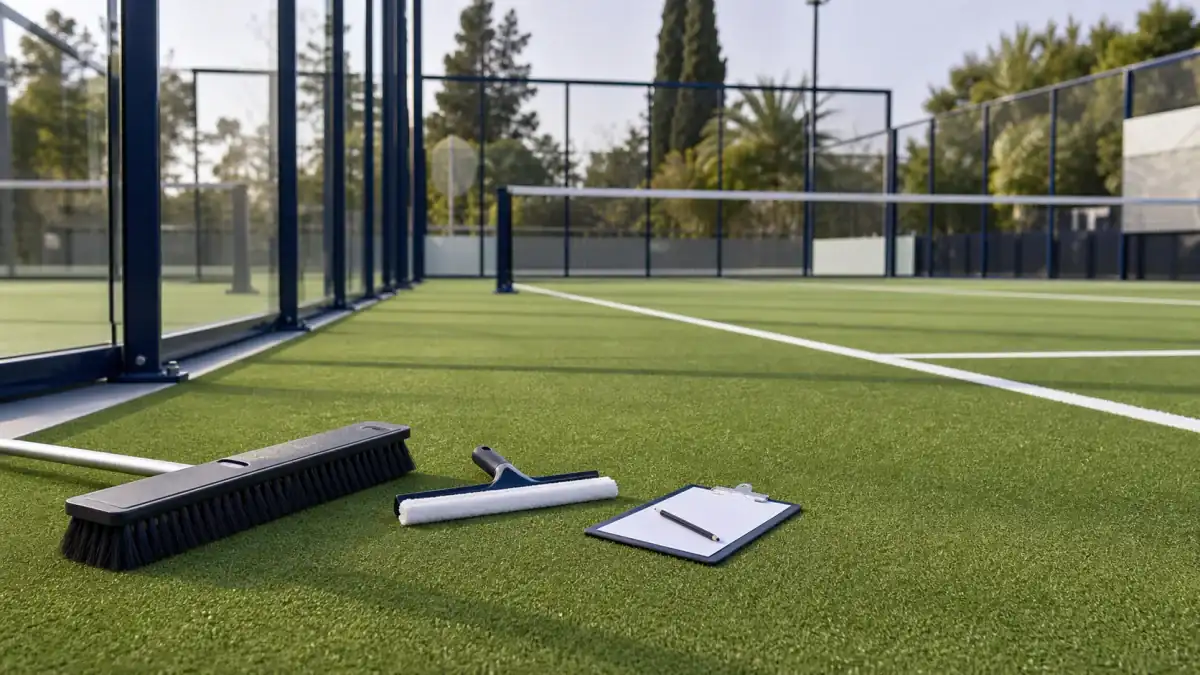
- Periodic fresh-water cleaning
- Early inspection of scratches, blistering and rust staining
- Prevention of standing water around base plates and connections
- Prompt repair of damaged coating
- Photographic maintenance records
Conclusion
Corrosion resistance is not a feature of one paint product; it is the outcome of material selection, detailing, application and maintenance. Padel Court treats environmental exposure as a design input and develops coastal project details accordingly.